
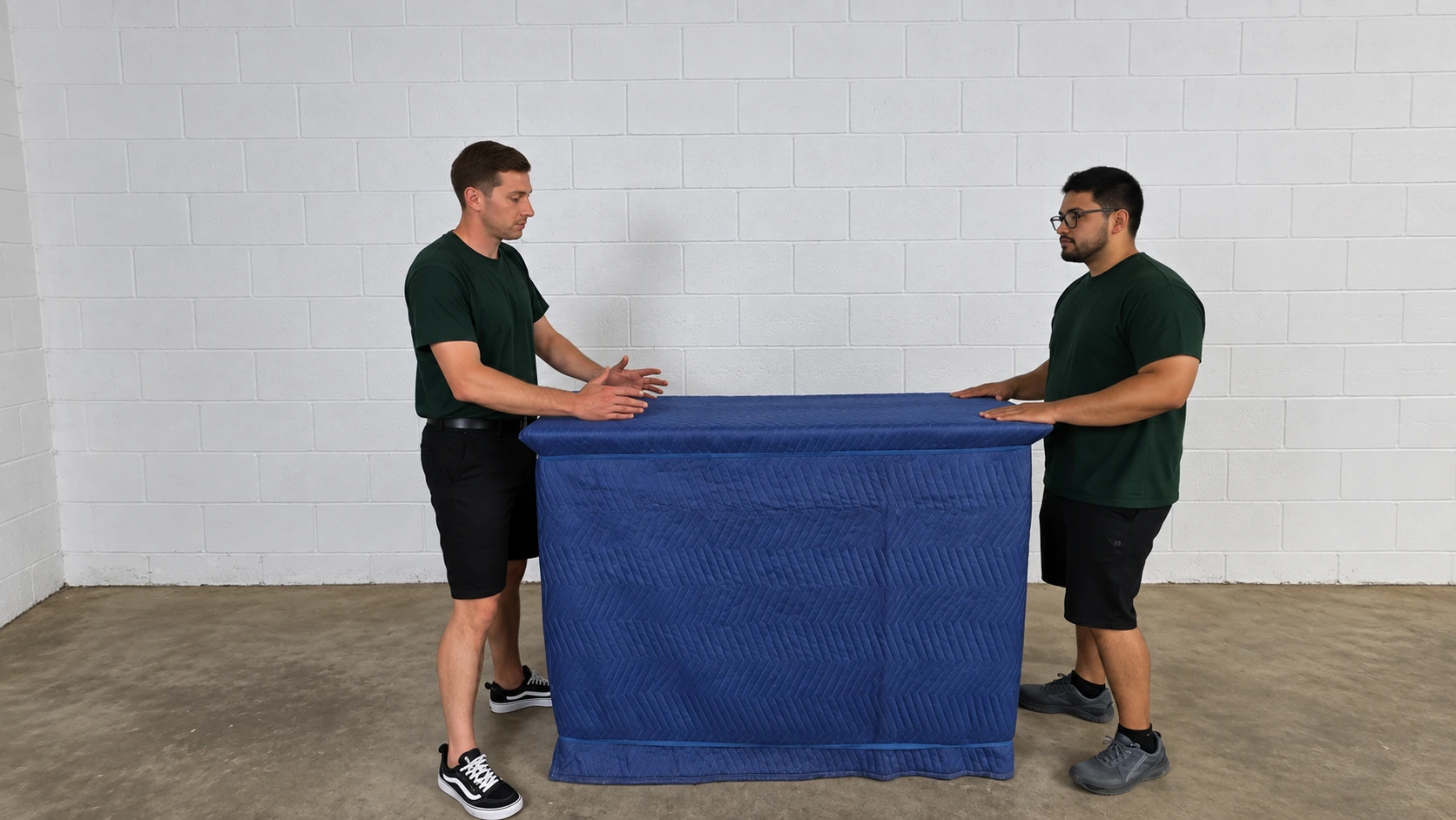
An apartment move between Skokie and Evanston is shaped by two buildings, not just the drive between them. The pickup may use a managed loading area while the destination allows a different entrance or time window. Start with both property managers, then give the moving company the details in one clear plan.
Ask each building the same questions
Find out whether a move must be scheduled, whether an elevator is reserved, where a truck may stop, and which entrance large items may use. Confirm building hours and any requirements for floor or wall protection. Record the answers separately for pickup and delivery. An address near Dempster Street in Skokie does not tell a crew where to load; an Evanston address near Chicago Avenue does not explain its service door.
Keep pickup and delivery rules separate
Ask both property managers about moving hours, elevator bookings, service doors, vehicle positions, and required common-area protection. Write each answer under the correct address. A Skokie building rule cannot be assumed to apply to an Evanston property, even when the two homes have similar layouts.
For each apartment, ask the manager what documentation or advance notice is required for a move, whether the service elevator must be reserved, and whether protective coverings are provided or expected. Record who gave the answer and when the reservation was confirmed. The building may also limit where a truck can wait or where cartons may be staged. Keep the instructions for Skokie and Evanston on separate pages so a crew member can see the right rule immediately. If a rule is unclear, ask the property rather than assuming it matches the last apartment move.
Walk the largest piece from room to vehicle
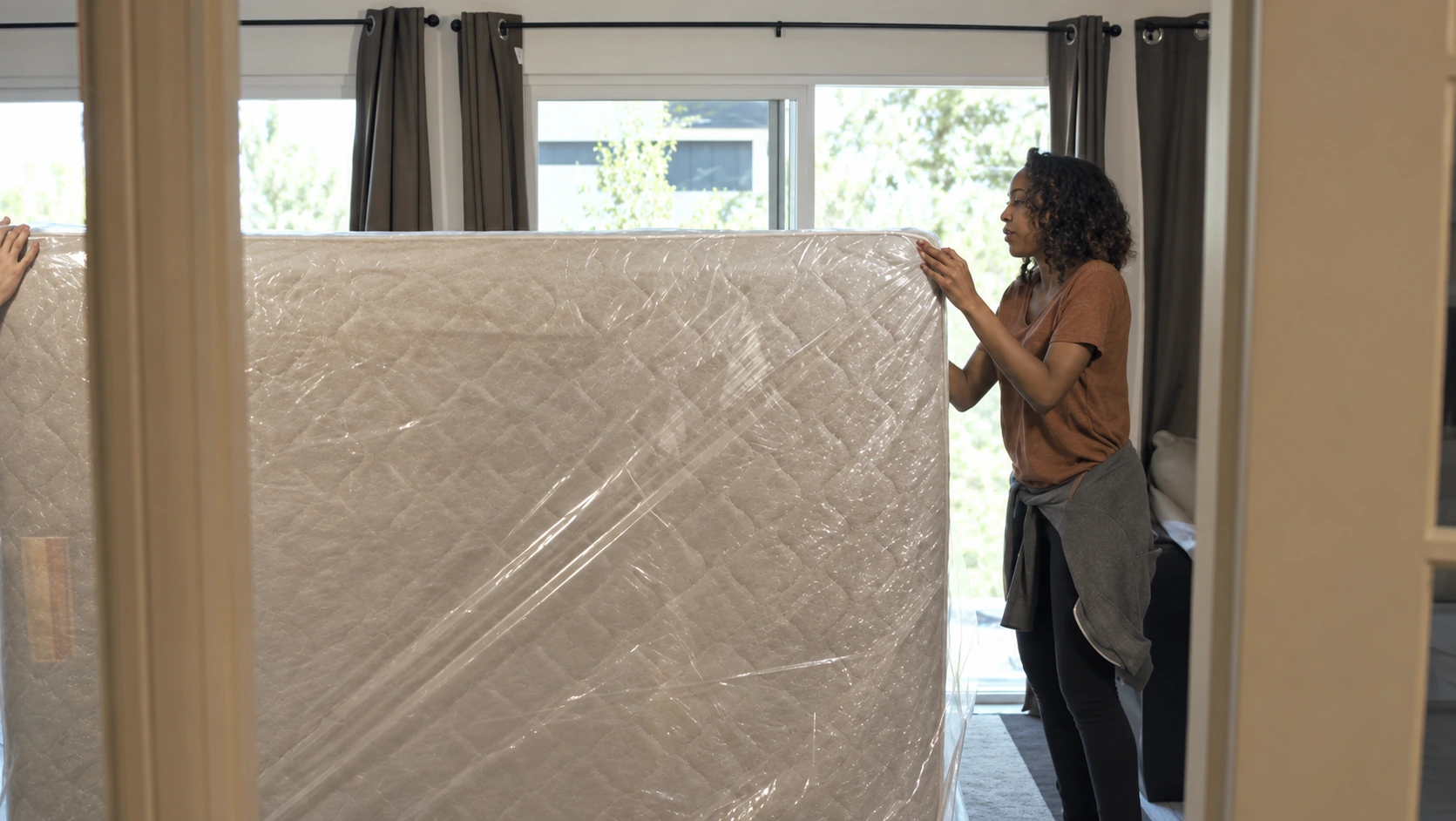
Before choosing a date, measure the sofa, bed frame, cabinet, or desk most likely to be difficult. Check its route through doorways, stair turns, halls, and the elevator. If a piece needs disassembly, describe it in the first request. Photographs of a narrow turn or unusually long corridor are more useful than saying the apartment is ‘standard size.’
Measure the tightest turn
Take the width and height of the largest pieces and compare them with the smallest door, elevator opening, and stair landing. A photo helps explain the route, but a measurement decides whether disassembly may be needed. Include the path from unit to truck, not just the room door.
The largest item deserves a full route check. Measure it after deciding whether legs, drawers, or doors can be removed, then measure the unit doorway, hall, elevator opening, service door, and delivery route. A mattress may bend slightly while a rigid dresser cannot; do not use a photograph alone to decide fit. Ask the mover about a piece that seems uncertain before the move window is booked. A planned disassembly or alternative route can be discussed calmly, while an unexpected obstacle in a reserved elevator period is harder to resolve.
Account for the full inventory
Count packed cartons and include balconies, storage lockers, desks, and garage items if they are part of the move. Separate fragile pieces and items that need packing help. If the move also includes a small office, list equipment and workstations independently of household belongings. The crew plan should follow the actual mix of items.
Do not overlook assigned storage
A balcony, basement locker, bike room, or garage space can add items to an apartment move. Count those separately from indoor cartons. Mark anything fragile or requiring packing so the conversation about protection and crew time follows the whole inventory.
Apartment inventories often miss storage lockers, balconies, bicycles, and items temporarily held in a hallway or garage. Add them to the same list as the main rooms and identify the route from each storage space to the approved loading point. If the storage area has separate access hours, note those too. Keep fragile items and work equipment distinct so their packing needs can be explained. The household can then compare the final carton count with the first request and send a specific update rather than saying the load has grown.
Prepare for the handoff in Evanston
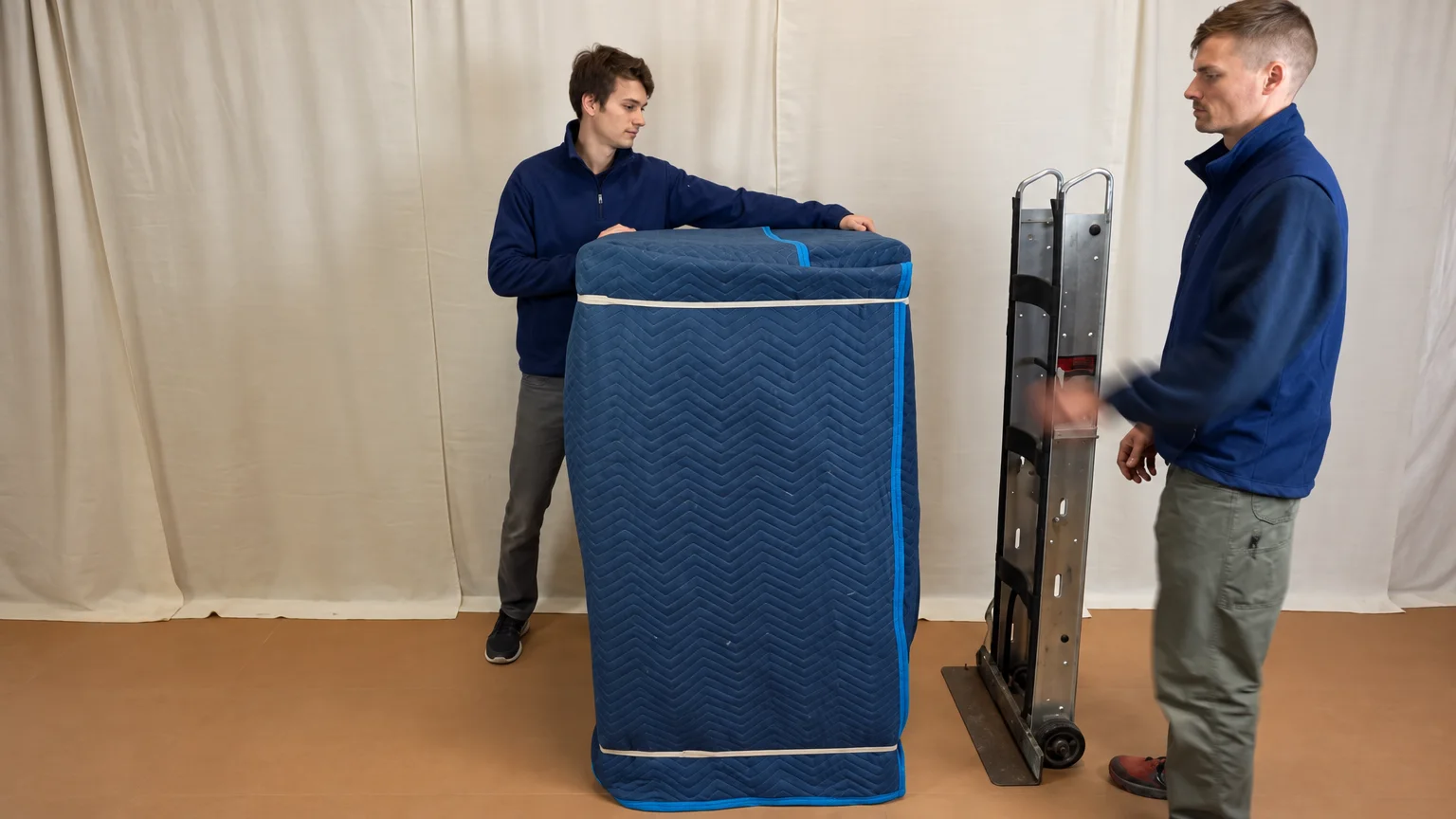
A destination near Main Street or downtown Evanston may have its own delivery instructions. Arrange keys or access codes, identify the person who will meet the load, and label boxes by destination room. Decide where the largest furniture should go first so the team does not have to move it twice. Keep medication, identification, valuables, chargers, and essential documents with you rather than in the truck.
Plan the receiving rooms
Label boxes with the destination room, and make a small placement sketch for large pieces. If the new apartment has a managed elevator, arrange keys and building check-in before the truck arrives. Keep essential papers, medication, devices, and valuables outside the moving load.
Prepare the Evanston rooms before the delivery elevator is opened. Use labels that match the receiving layout, not just the old room names, and mark any heavy piece that must be placed before smaller cartons. Confirm that the person meeting the truck knows which door the crew should use and has the required keys. Keep a bag of daily necessities with the household. A room map is especially useful when a unit has several similar bedrooms or when another person is directing the unload while the resident is still at the pickup.
Confirm the plan in writing
Bring the building rules, two addresses, inventory, preferred window, and any packing needs into one request. If either manager changes a reservation or loading instruction, pass that update along before moving day. A short route can still be difficult when one building’s access is missing from the plan.
Send changes before moving day
If a manager shifts the elevator reservation or changes the allowed truck position, tell Northern Elite Movers as soon as it is confirmed. Update the written building brief so the crew does not follow outdated instructions. Keep an arrival contact available at both properties.
Two short elevator reservations can conflict even when the cities are nearby. Put the pickup and delivery windows side by side, then add building check-in, protective preparation, carrying, travel, and unloading. Ask which window can be changed if the sequence is too tight. Do not assume a crew may leave items in a common area while waiting for an elevator; confirm staging rules with the building. The schedule should be shared with both property contacts and Northern Elite Movers before the move date is treated as settled.
Coordinate the two building windows
Put the approved pickup and delivery periods side by side. If they do not overlap comfortably, ask the buildings what flexibility exists before committing to a date. Include time for elevator protection, loading, travel, receiving check-in, and placement. A workable plan respects both properties.
Compare the two elevator slots
Place pickup and delivery reservations on one timeline with time for loading, travel, check-in, and unloading. Do not count only the drive between Skokie and Evanston. A narrow service corridor or long walk from a loading bay can use much of the booked window.
On the final review, read the two building sheets as if the reader has never visited either address. They should identify the service door, vehicle stop, elevator or stairs, floor, access contact, and any fixed time. Add photographs of the unusual turn or long corridor and list the furniture that will use it. If a manager changes a rule, mark the old instruction as replaced and send one revised brief. That simple habit helps everyone follow the current plan instead of relying on a chain of contradictory texts.
Create one building brief
A single page can list both managers, approved entrances, elevator details, truck positions, and key contacts. Add a room inventory and photographs of the most difficult furniture path. Send revisions to the moving team when a reservation or rule changes, so everyone works from the same instructions.
Include the difficult furniture in the brief
Give the mover dimensions, access photos, and the furniture list along with both addresses and preferred date. Explain which building approvals are pending. The company can then review the actual apartment move rather than assume that the route is simple because the cities are nearby.
Apartment information to collect
- Separate elevator or move-window confirmation for each building.
- Approved service door, truck position, and building contact.
- Measurements and photos for large furniture or tight turns.
- Full inventory, including lockers and balcony items.
- Destination room labels and a first-use bag kept with the household.
| Stage | What matters | Action |
|---|---|---|
| Skokie pickup | Service entrance and elevator slot | Confirm with building manager |
| Evanston delivery | Receiving door and check-in | Confirm before truck arrival |
| Furniture path | Narrowest door and turn | Measure both properties |
| Timing | Two reservation windows | Share one schedule with mover |
Share both apartment details when you request an estimate from Northern Elite Movers. The company can then discuss the services and scope that fit the actual properties.